Design system uplift
When I stepped into the Principal Product Designer role at Trade Me, I became accountable for the visual direction across the organisation.
It was clear the company was evolving stylistically, but nothing had been formally defined. The existing design system, created in 2017, no longer supported how teams worked. Designers were actively bypassing it to meet delivery demands, creating inconsistency across products and slowing teams down in the process.
This wasn’t a design library problem. It was a systems, alignment, and leadership problem.

The Opportunity
Design systems are often difficult to prioritise because the value is indirect. I identified two signals that created urgency the business could understand:
Pace: Designers were bypassing the system to move faster—ironically reducing efficiency across teams.
Customer feedback: Visual design scored low in satisfaction surveys, signaling a gap in user trust and brand perception.
I reframed the design system as a solution to business problems:
Increase delivery speed and consistency
Improve customer sentiment
Enhance collaboration, onboarding, and team confidence
Create brand alignment across marketing and product
I sold the vision and gained leadership buy-in.
How I Led
As a Principal Designer, I knew this wasn’t just a design challenge, it was a leadership one. With no dedicated team, limited resources, and a complex organisational environment, I had to be strategic in how I inspired, structured, and scaled the work.
Vision & Influence
I led by connecting design to what the business cares about: speed, customer satisfaction, and cohesion. Rather than relying on subjective arguments I used customer feedback and delivery inefficiencies to build a compelling case for change. This reframed the design system as a tool for product velocity and brand consistency, earning leadership buy-in and trust.
Empowering the Team
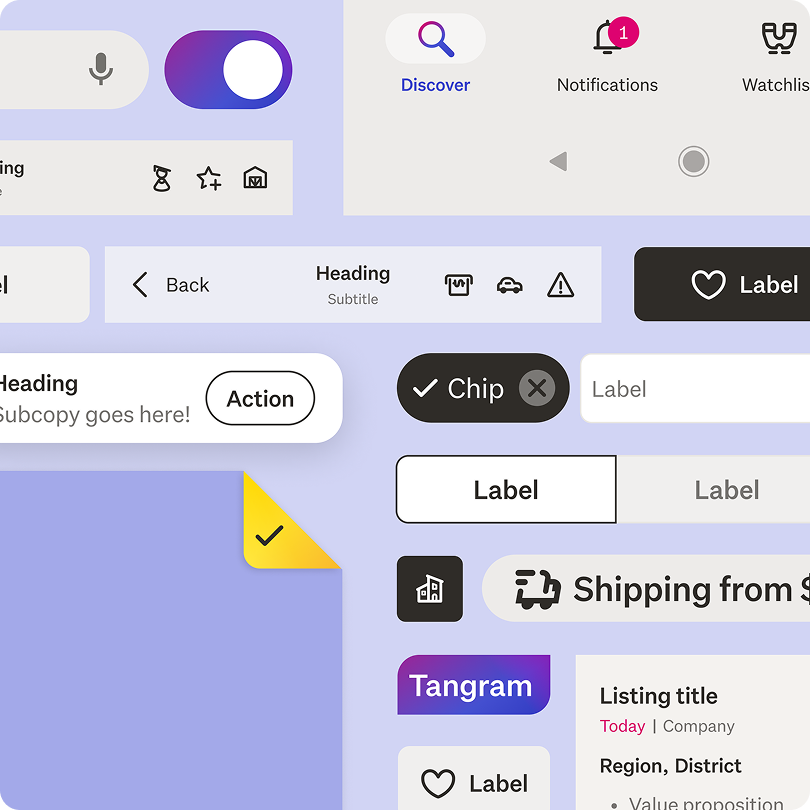
Once the vision was approved I shifted focus to empowerment. I created the conditions for others to succeed through structure, clarity, and ownership. By designing sprints that balanced autonomy with clear guidance, I enabled 12 product designers to build 80% of the new component library in just two weeks. The process became a vehicle not just for delivery, but for upskilling and team pride.
Collaboration at Every Level
From early creative exploration with Principal Designers to structured stakeholder check-ins, I prioritised alignment without slowing things down. I maintained momentum through lightweight rituals, clear deliverables, and regular visibility making sure the system was both loved by designers and trusted by the business.
“I didn’t just want the team to execute — I wanted them to shape it, own it, and grow through it.”
The Process
Establishing the Vision
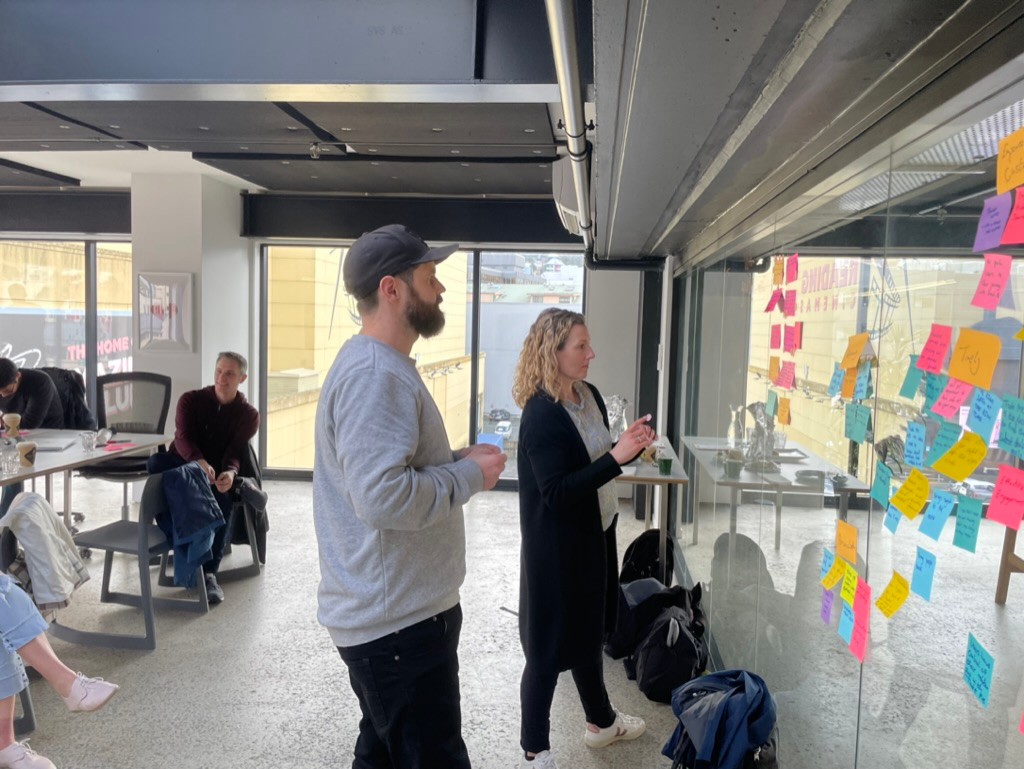
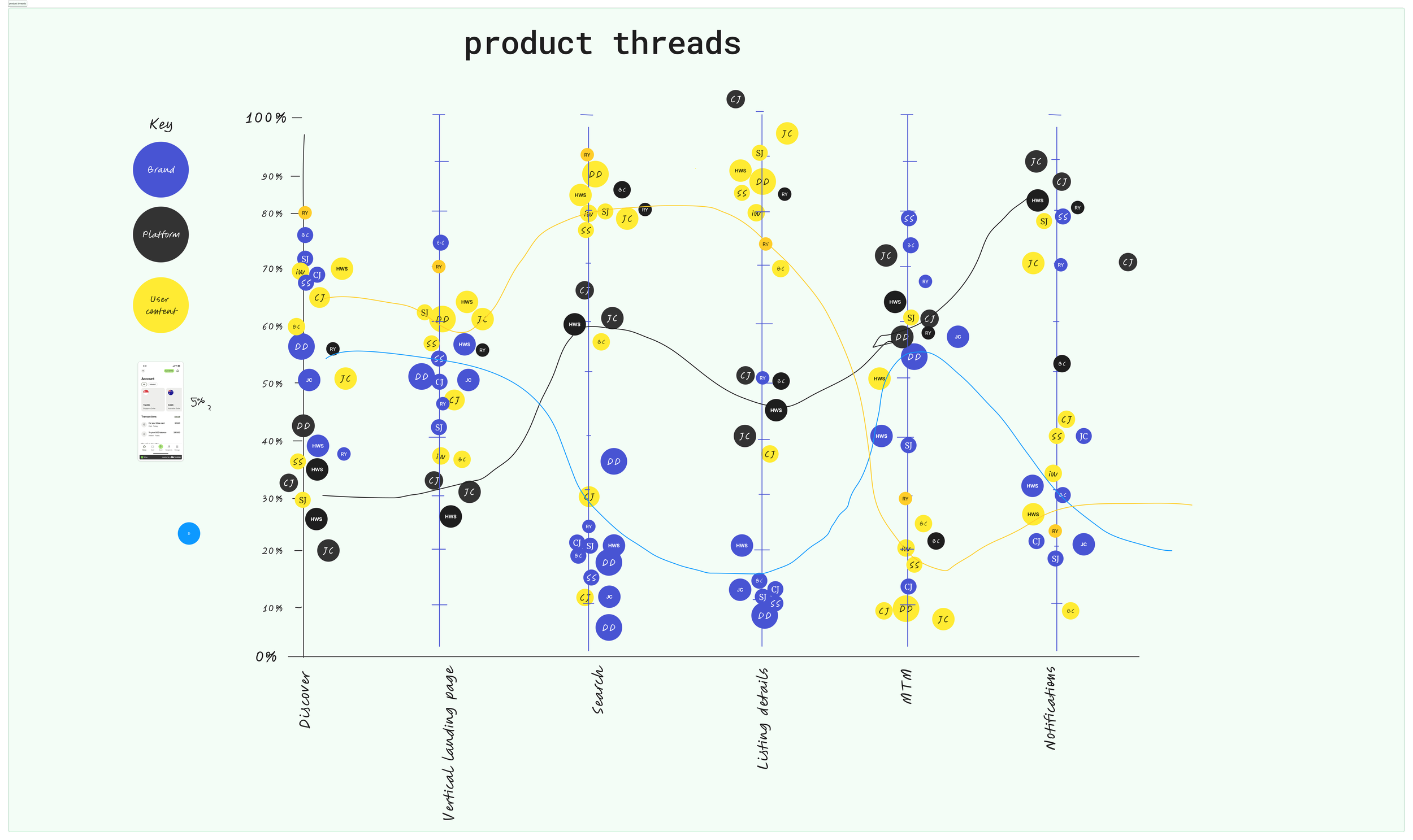
Before any components were designed, I led a two-week vision workshop with the Principal Designers to define the future visual direction of Trade Me’s UI.
Together we established:
The visual principles of the system
How brand, user content, and OS styling should coexist
A shared definition of what “good” looked like across the customer journey
Stakeholder check-ins with senior leadership ensured alignment before moving into execution. This created a clear north star that would guide every system decision.
Governance & Operating Model
Prior to this initiative, I had formed a Design System Governance Group of designers with strong systems thinking capability. This became the foundation of how we delivered at speed without sacrificing quality.
With this group, I designed a two-week sprint involving the entire product design team to create the foundational component library.
In preparation, the governance group:
Identified and prioritised the essential components
Debated implementation approaches such as type scaling, spacing logic, and token structure
Created guardrails that allowed fast decision-making during the sprint
This meant the sprint was not chaotic production. It was a pre-governed system build.
During the sprint, 12 designers built 80% of the component library while simultaneously upskilling in advanced design system practices. This was intentional. The previous system had stagnated because designers did not feel ownership or confidence to contribute. This process reversed that.
From Design to Engineering
After the sprint, the governance group and I tested components in real product layouts to validate the system against real scenarios and prepare for engineering adoption. I then partnered with the Head of Product to develop a business case for executive approval, focused on reducing long-term design and technical debt across multiple business units. Once approved, I worked directly with Principal Engineers to define:
The engineering approach to tokens and components
Rollout timelines
How the system would be implemented across apps
This ensured the design system became an organisation-wide operating model, not a design artefact.
Decision-Making in Ambiguity
Strong opinions emerged around how prescriptive the system should be. I created a clear decision pattern:
Designers explored problems and brought recommendations
Recommendations were reviewed with the Principals
Decisions were made to adopt, explore further, or decline based on the system principles
This encouraged contribution while maintaining a single decision maker, avoiding design-by-committee and keeping momentum high.



OUTCOME
The uplift delivered far more than a visual refresh. It changed how Trade Me designs, collaborates, and ships.
Ado10,000+ component insertions in Figma within months of rollout, showing rapid adoption
4× increase in component usage, indicating designers are using the system to speed up delivery
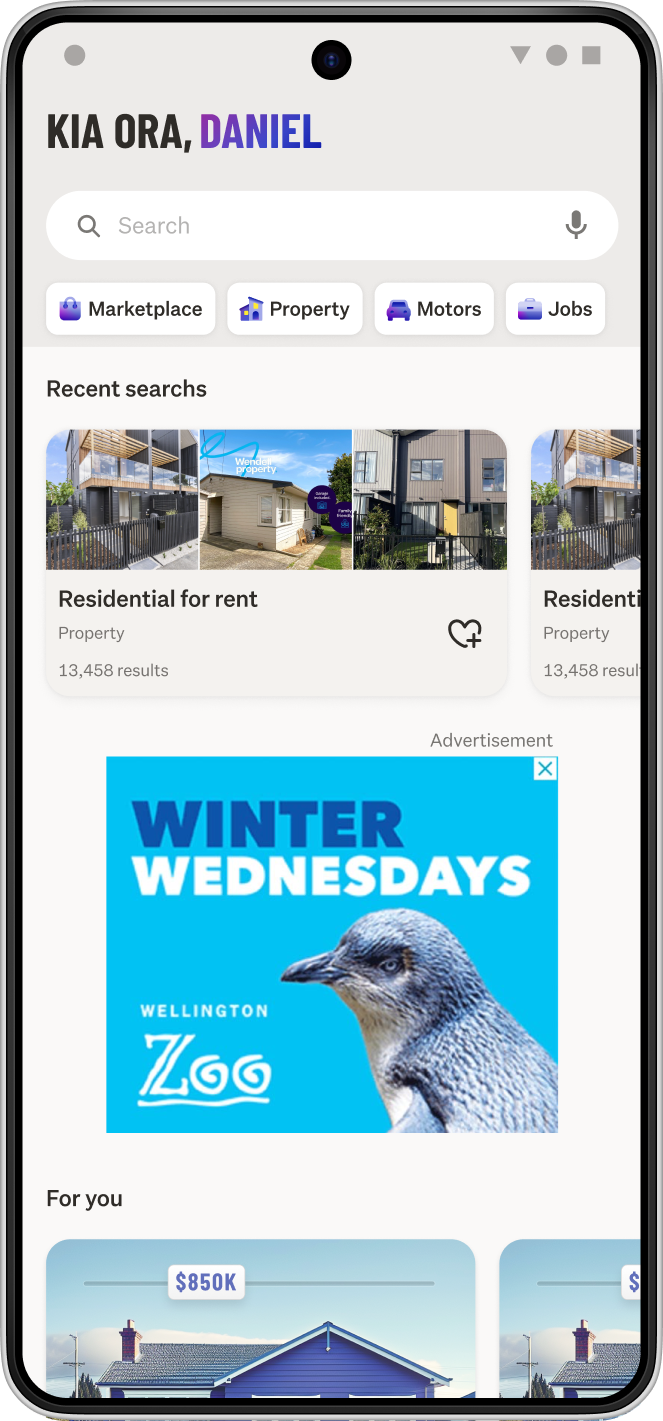
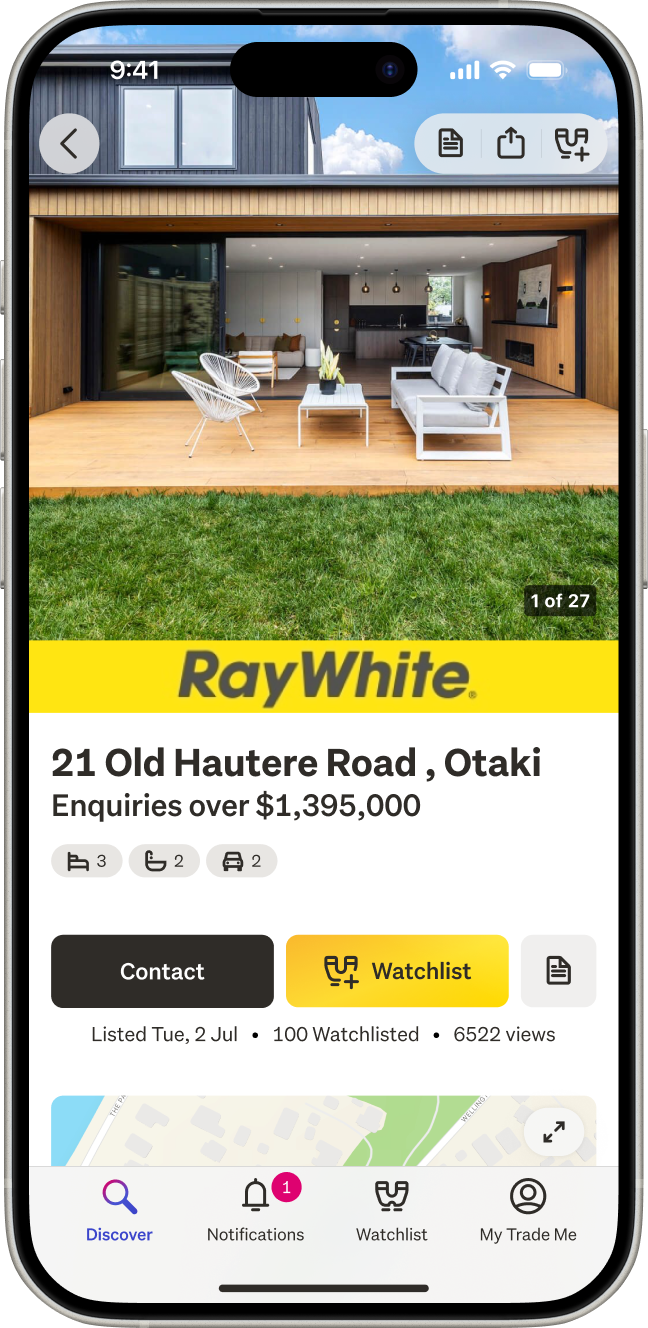
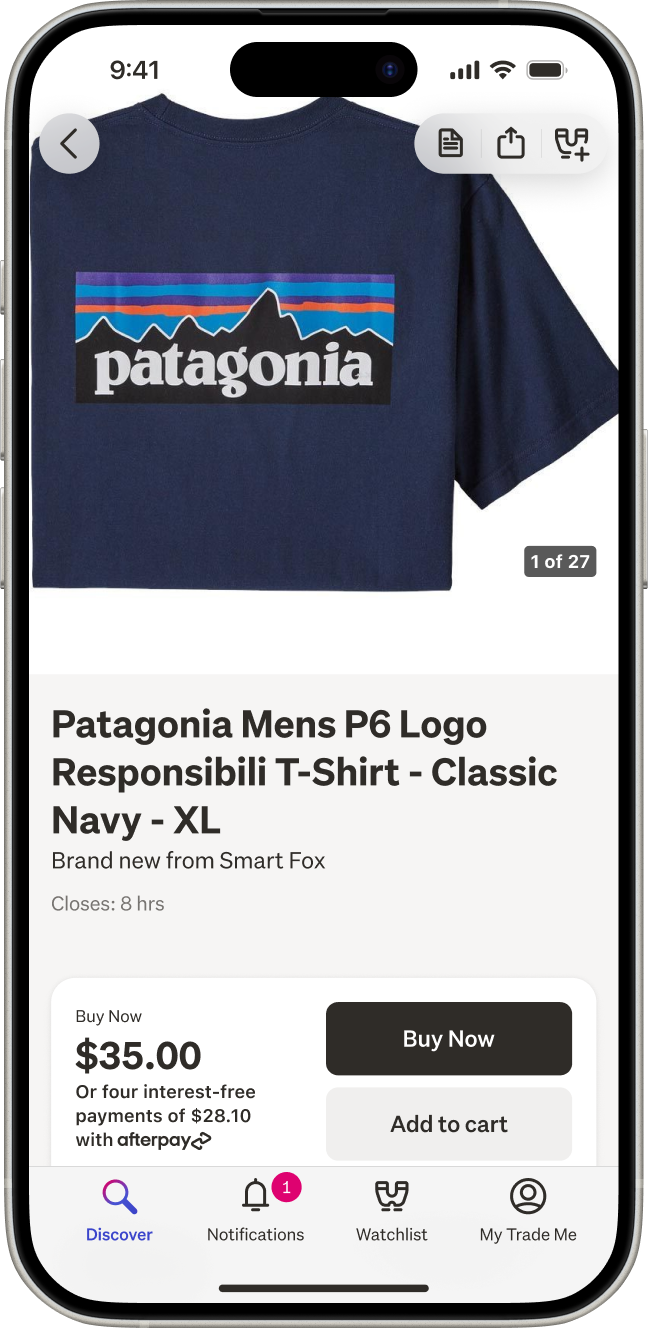
A single, unified visual style across apps after years of inconsistency
Weekly contributions from both the governance group and individual designers
The largest visual uplift to Trade Me’s mobile apps in over a decade
12 designers significantly upskilled in design systems and advanced Figma practices
Alignment between marketing and product through a shared brand expression
Long-Term Impact
As components continue to be rolled out across products, the organisation is seeing ongoing reduction in:
Design debt
Technical debt
Duplication of effort across business units
More importantly, the design system is now a living system owned by the design team, supported by governance, clear principles, and engineering alignment.
What began as a visual refresh became a shift in how the organisation works.